


OUTERPLANE - Strategy Anime
4.52.32K Reviews
App Specs
- Version
- 1.4.15
- Updated On
- License
- Free
- Downloads
- 1,000,000+
- Developer
- Major9
- Categories
- Role Playing
- Platform
- Android, iOS
Screenshots


 Analysis by AppCompare
I came to OUTERPLANE - Strategy Anime expecting a mobile role-playing game where the anime presentation would be the main attraction. What kept me looking closer was the way that presentation frames its battles: this is a game about building a team, considering how its characters work together, and watching those choices play out in a polished anime style. It is free to download, though optional purchases range from $0.99 to $109.99 per item, so I’d treat spending as a choice rather than a requirement.
That distinction matters if you are deciding whether to make room for another RPG. The game suits players who like character-led presentation and tactical combat more than people who want an entirely hands-off idle experience. I also think it is easier to enjoy when you approach it as a game to learn gradually, rather than expecting to understand every system in a single sitting.
First Impressions: Anime Meets Strategy
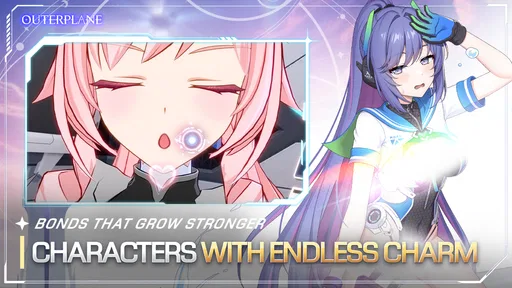
From the moment you launch OUTERPLANE - Strategy Anime, the vibrant visuals pull you right in. It’s like stepping into a beautifully animated world where every character seems to leap off the screen. The graphics are stunning, and the anime style stays true to the genre while adding its own unique flair. If you're an anime lover, you'll feel right at home here. The colors are vivid, the character designs are intricate, and the overall aesthetic just screams quality.
As you get started, the game does a fantastic job of easing you into the mechanics. There’s a smooth learning curve, which I appreciated since strategy games can sometimes be overwhelming. The tutorial is interactive and engaging, ensuring you understand the basics without feeling bogged down by too much information.
OUTERPLANE is a role-playing game from Major9, and its appeal sits at the intersection of anime character collecting and turn-based tactical decision-making. I would not describe it as a lightweight story viewer with battles attached: your team choices matter, and progression gives you reasons to revisit how you approach encounters. At the same time, anyone hoping for a deep, open-ended tactics sandbox may find the familiar mobile RPG structure more prominent than the strategic layer.
The game is rated Teen, so it is aimed at older children and adults rather than very young players. It has a 4.4 average from around 85,000 ratings, and has passed one million installs. Those figures suggest a sizeable audience, but they are not a substitute for knowing what kind of play you enjoy. I’d focus on the practical fit: do you like anime presentation, gradual character development, and battles where team composition deserves attention?
Gameplay: Strategy at Its Finest
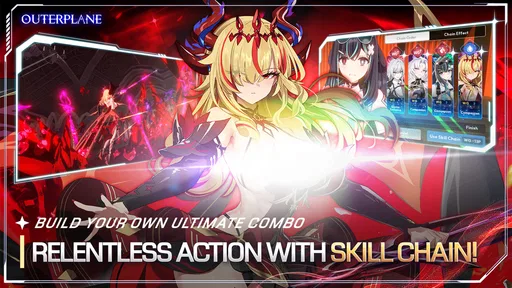
The gameplay of OUTERPLANE is where it truly shines. The strategic elements are robust, allowing players to engage in battles that require more than just brute force. You'll need to think critically and plan your moves carefully. Each character has unique abilities, and figuring out the best combinations for your team adds a layer of depth that keeps you coming back.
Worth Reading Before You Choose

Baby Panda World Brings Quick Play to Modern Phones, but Its Game Library Feels Busy

ESPN’s Live Game View Makes Following Close Games Easier

QuizzLand Review: A Good Fit for Short Trivia Breaks, Not Every Player

Basketball Stars: Multiplayer Is Fast, but Can It Recover When Matches Go Wrong?

WEBTOON Turns Phone Updates Into a Better Reading Routine

Link to Windows Runs on Shared Habits, Not Social Feeds
One aspect I found particularly enjoyable was the variety of missions and challenges. From PvP battles to cooperative missions, there's always something new to tackle. The game keeps you on your toes, and the dynamic battles ensure that no two matches feel the same.
Another cool feature is the character progression system. As you play, you can level up your characters, equip them with better gear, and unlock new abilities. It's satisfying to see your team grow stronger with each victory.
A useful habit is to pause before investing heavily in a character just because you like their design. In a team-focused RPG, a favourite can be worth developing, but it is sensible to check whether their role complements the rest of your lineup and whether you have a practical answer to the encounter in front of you. That small bit of planning can save resources and reduce the frustration of repeatedly hitting a wall with an unbalanced team.
I’d also treat difficult encounters as information, not just as a demand to grind. If a battle goes badly, look at whether your team lacks damage, staying power, or a useful combination of abilities, then make one deliberate adjustment before trying again. Changing several things at once makes it harder to learn what helped. This is a simple approach, but it makes the strategy feel more purposeful and helps progression become less of a blind routine.
For a realistic everyday session, I can imagine opening the game during a short break, checking what I can reasonably progress, and saving a demanding fight for a time when I can pay attention. The character-building side works well in small steps, while careful tactical play is more satisfying when I am not rushing through it. If you mainly want a game that can be ignored while it runs in the background, this is a less suitable fit than an idle RPG built around minimal interaction.
The free entry point makes it easy to try the combat and see whether the presentation clicks, but the in-app purchase range is worth keeping in mind. Optional spending can be tempting in character-focused games, especially when you have a favourite or want to speed up progress. I’d set a personal limit before buying anything and judge purchases by whether they genuinely improve your enjoyment, not by a momentary urge after a difficult battle.
Storyline: An Epic Anime Tale
No anime game would be complete without a compelling storyline, and OUTERPLANE doesn’t disappoint. The narrative is rich and engaging, filled with twists and turns that keep you hooked. It's like being part of your own anime series, with well-developed characters and a plot that unfolds beautifully as you progress.
I found myself genuinely invested in the characters’ journeys and eager to see what would happen next. The dialogue is well-written, often infused with humor and emotion, making it easy to connect with the characters.
The story is a particularly good reason to take the game at a measured pace. If I rush through narrative scenes only to get to a battle, I lose part of what distinguishes this experience from a more combat-first RPG. Conversely, if story is your priority, expect to engage with the game as a continuing journey rather than a self-contained short tale. The combination of character moments and team progression gives the campaign a clear role in the overall rhythm.
Compared with many mobile RPGs that put their strongest emphasis on collecting and upgrading, OUTERPLANE makes the anime identity and tactical battles feel closely connected. It is still a mobile character-driven game, so players who dislike recruiting heroes or managing a roster may prefer a premium, self-contained RPG with a fixed cast. Those who enjoy assembling a party and gradually learning how its members fit together are more likely to appreciate this format.
Customization and Community
Customization options are plentiful, allowing you to tweak everything from your team setup to your character’s appearance. It’s a great way to personalize your experience and make the game truly your own.
The community aspect of the game is also worth mentioning. There’s a strong online community where players can share strategies, discuss updates, and even form alliances. Being part of this community adds another layer of enjoyment and makes the whole experience feel more connected.
And let's not forget about the events! The developers consistently roll out exciting events and updates, keeping the game fresh and the community engaged.
For a newcomer, community advice can be useful when a battle or team choice feels confusing, but I would use it as a guide rather than a checklist. A setup that works for another player may depend on characters or progression you do not have. Start with the options available to you, identify the part of a fight that is causing trouble, and then borrow one relevant idea at a time. That keeps experimentation enjoyable instead of making the game feel like homework.
There is a trade-off in any game built around ongoing progression: a wider roster can open more combinations, but it also asks you to make choices about where to spend your attention. I find it more rewarding to develop a dependable core team first than to spread every resource across every character. That does not mean ignoring favourites; it means giving them a role in a lineup that can actually handle the content you want to play.
Sound and the Pace of Play
The visual style sets expectations for a dramatic anime adventure, and the game’s overall presentation supports that mood. I like when a mobile RPG makes its characters and story feel like parts of the same world rather than separate menus surrounding a battle system. Here, the character-focused framing gives encounters a sense of context, while the shifts between narrative and combat provide a natural change of pace.
That rhythm will not suit everyone equally. Players who want constant high-intensity action may find a team-based RPG slower than an action game where movement and reflexes dominate every moment. The appeal here is taking time to consider a lineup and then seeing the result in battle. I’d choose it for deliberate sessions and character progression, not as a substitute for a quick reflex-driven arcade game.
Sound and visual presentation are also a matter of personal taste. If anime character art is what makes you curious, the game gives that style a central place in the experience. If you prefer restrained designs or a grounded fantasy look, the aesthetic may feel too pronounced even when the mechanics are appealing. For me, that strong visual identity helps the world feel coherent, but it is a genuine preference test rather than a universal advantage.
Who Will Get the Most from It?
I’d recommend giving OUTERPLANE a try if you enjoy anime RPGs, like building a team over time, and want combat that rewards some thought rather than constant tapping. It is also a reasonable option for someone who wants a free way to sample a character-driven strategy RPG before deciding how much time to invest. The current version is 1.3.42, and it requires Android 7.0 or later, which helps set a practical expectation for Android compatibility.
I would steer away if you dislike ongoing character progression, prefer a story that reaches a clear ending quickly, or want every battle to be controlled through real-time movement. The same goes for anyone who finds optional purchases in mobile games distracting. You can approach the game without spending, but the presence of purchases from $0.99 to $109.99 per item means it is wise to keep your own boundaries in view.
It is also worth distinguishing between playing casually and playing carelessly. A short session can be enough to make some progress, but harder encounters reward attention to team composition and character development. If your available gaming time is fragmented, you can still enjoy the gradual growth; just do not expect every session to deliver a major story or combat breakthrough.
Final Thoughts: A Must-Play for Anime and Strategy Fans
All in all, OUTERPLANE - Strategy Anime is a must-play for anyone who loves anime and strategy games. It combines the best of both worlds, offering stunning visuals, a captivating story, and strategic gameplay that challenges and entertains.
Whether you're a seasoned strategy gamer or new to the genre, you'll find something to love in this game. It's got the charm, depth, and excitement that make it stand out in the crowded world of mobile games.
So, if you haven't already, give OUTERPLANE a try. Dive into this anime adventure and see for yourself why it’s capturing the hearts of gamers everywhere. Who knows? You might just find your new favorite game.
My recommendation comes with one qualification: go in for the blend of anime storytelling and team tactics, not because you expect a pure strategy title or a fully hands-off collector. Give yourself time to learn which characters support one another, and take a moment to reconsider a lineup when a fight stalls. That approach makes the tactical side more satisfying and gives the progression a clearer purpose.
Overall, I see OUTERPLANE as a good fit for players who want an ongoing anime RPG with battles to think through and a cast to grow attached to. Its bright art direction and character-led story give it a distinct mood, while its roster management and optional spending ask for a little self-discipline. If those trade-offs sound comfortable, it is an appealing free game to explore; if you want a short, fixed adventure or immediate action above all else, another kind of RPG will suit you better.
Pros
- Engaging turn-based combat system.
- Beautifully crafted anime-style graphics.
- Diverse character roster to explore.
- Regular updates with new content.
- User-friendly interface and controls.
Cons
- Requires constant internet connection.
- In-app purchases can be expensive.
- Occasional server stability issues.
- Limited offline gameplay options.
- Resource-heavy
- drains battery quickly.
FAQs for OUTERPLANE - Strategy Anime
What is the main gameplay style of OUTERPLANE - Strategy Anime?
OUTERPLANE - Strategy Anime is a turn-based strategy game that combines tactical combat with anime-style graphics. Players assemble a team of characters, each with unique abilities, and engage in strategic battles. The game emphasizes careful planning and team synergy to overcome challenging opponents, making it ideal for fans of both strategy and anime genres.
Is there a multiplayer mode available in OUTERPLANE - Strategy Anime?
Yes, OUTERPLANE - Strategy Anime offers a multiplayer mode where players can compete against each other in real-time battles. This feature allows players to test their strategic skills against others worldwide, climbing leaderboards and earning rewards. The multiplayer mode enhances the game's replayability and community engagement.
What are the in-app purchase options in OUTERPLANE - Strategy Anime?
OUTERPLANE - Strategy Anime includes in-app purchases that allow players to buy currency, character upgrades, and cosmetic items. While the game is free to play, these purchases can accelerate progress or enhance the visual experience. However, all content is accessible through regular gameplay, ensuring a fair environment for those who prefer not to spend money.
How does OUTERPLANE - Strategy Anime handle updates and new content?
The developers of OUTERPLANE - Strategy Anime regularly release updates that include new characters, storylines, and gameplay features. These updates are designed to keep the game fresh and engaging, providing players with new challenges and experiences. Feedback from the community often influences future updates, ensuring that player interests are considered.
What are the system requirements for OUTERPLANE - Strategy Anime on mobile devices?
OUTERPLANE - Strategy Anime requires a minimum of iOS 11.0 or Android 6.0 to run smoothly. It is optimized for both smartphones and tablets, offering a seamless experience across devices. Adequate storage space and a stable internet connection are recommended to ensure the best performance and access to multiplayer features.


